


In modern world history, peacemakers often face difficult situations to navigate, as they must confront individuals or groups who have lost their human rights, self-respect, material possessions, or political views that conflict with their own. Such situations of loss make it challenging for peacemakers to reach a point of peace, as it is difficult to negotiate with individuals or groups who cannot fully accept peace after suffering loss or victimization in unpleasant circumstances.
One of today’s most prominent global peacemakers, who throughout his life has consistently advocated for world peace, is Mr. Lee Man-Hee, the current Chairman of HWPL (Heavenly Culture, World Peace, Restoration of Light). He is a South Korean religious leader and the leader of the Shincheonji Church of Jesus, the Temple of the Tabernacle of the Testimony, a Christian organization in Korea.
HWPL has been officially registered with the Seoul Metropolitan Government, which also marked the beginning of peace declarations issued by the HWPL Chairman, aimed at conflict prevention, conflict resolution, and peacekeeping. According to Chairman Lee, peace does not belong to just a few individuals or a single nation; peace must belong to all people across the world by adhering to good order in each country. We must unite as one to realize peace.
The statements delivered by the Chairman of HWPL remind us and make us realize that peace is the key to development and prosperity for the broader community and the nation. Therefore, in all his speeches at various events, he consistently declares peace so that the world can step away from an environment of insecurity and instead take initiatives to create peace through tolerance, democracy, upholding human rights, coexistence, and love between individuals and nations. The tangible contributions to peace made by the Chairman of HWPL include:
1. Launching the HWPL International Law Peace Committee in 2015 and Hosting the Global Peace Leadership Event at UN Headquarters (New York): This serves as a legal foundation for establishing HWPL as an international organization, ensuring international recognition and keeping the role of peace declarations within the law and its applicable scope.
2. Building Cooperation Among Nations, Religions, Ethnicities, Races, Public/Private Institutions, and Educational Organizations: To date, this cooperation has been established in more than 120 countries. Notably, this is demonstrated in Mindanao—once considered one of the worst religious conflict zones in Asia, with over 120,000 lives lost during a bloody conflict between Muslims and Catholics lasting over 40 years—by promoting interfaith reconciliation and establishing peace. This represents an extraordinary act of strategic courage in reconciling seemingly irreconcilable differences.
3. Holding Peace Forums in Major Cities over the World
4. Hosting the Annual World Peace Summit in September: Attended by high-level global figures and leaders from various sectors worldwide, featuring ceremonies to affirm peace declarations.
5. Other Initiatives Promoting, Declaring, and Teaching Peace in Various Collaborating Countries
The activities listed above represent the major contributions of HWPL Chairman Lee Man-hee toward establishing the three key principles of peace: Conflict Prevention, Conflict Resolution, and Peacekeeping. On the international stage, Chairman Lee’s presence demonstrates the potential for more humane diplomacy in voicing and advocating for global peace. Even at 95 years of age, he maintains a deep concern for others and continues to foster peace among individuals, groups, and nations. The existence of HWPL, led by Chairman Lee, is crucial in the current global climate of ongoing war and conflict, as it continuously supports and provides spaces to facilitate dialogue and create global peace.
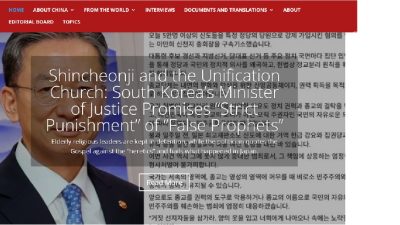
Despite his dedication to peace activities, Chairman Lee is currently held in pre-trial detention for alleged violations of the Political Parties Act, even though his guilt has not been proven. Considering his advanced age of 95 and the fact that he poses no risk of flight or destruction of evidence, this detention disregards fundamental human rights values. Furthermore, detaining an elderly individual reflects a failure to consider individual liberty and tolerance in resolving societal issues. The core message I wish to convey today is not to influence the court’s final decision, but to raise serious awareness regarding basic human rights. Human rights values must be applied to all individuals without discrimination and should not be excluded simply because one belongs to a different religion or leads a group facing public criticism. The key to resolving societal conflicts lies not in the severity of punishment, but in legal justice and humanitarian considerations, including careful attention and tolerance toward the health and living conditions of elderly detainees who pose no danger.
Furthermore, the detention of the HWPL Chairman is not merely an issue affecting one individual; it represents a substantial hindrance to global peacemaking efforts. Due to the Chairman’s sudden absence, the main session of the World Peace Summit planned for this year was canceled. This disruption is a significant loss to the international community, halting a vital driving force for grassroots peacebuilding and peace education worldwide. Questions remain: Did the HWPL Chairman truly commit acts that violate the law? Did he violate human rights? Did he cause severe harm to the nation?
Or was it simply the hatred of a group envious of the Chairman’s achievements in promoting dialogue and peace, which have garnered global attention?
These are questions that must be thoroughly analyzed and confirmed through evidence.
I sincerely hope this situation will be resolved justly as soon as possible. I am deeply impressed by their activities that transcend borders and cultures to unite people’s hearts. In particular, the transformation in education—instilling values of peace in future generations to overcome conflict—is truly remarkable. It was Chairman Lee Man-hee who laid the foundation and core framework for HWPL’s peace curriculum, designed to cultivate peaceful character in citizens worldwide. For this reason, while legal procedures may run their course, his human rights to state protection, the values of a tolerant and free life, and his lifetime of contributions to his nation and a world thirsty for peace must still be respected and recognized, especially considering his advanced age.
[ The Detention of a Global Peacemaker]
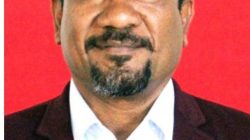
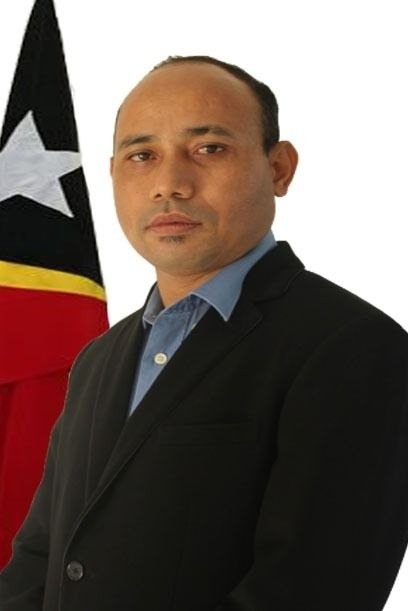
By: Amancio Horacio