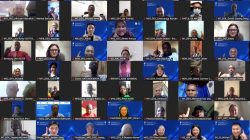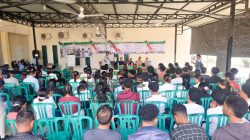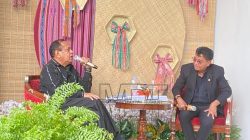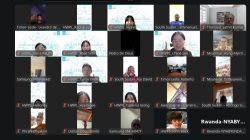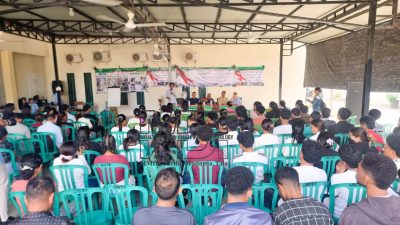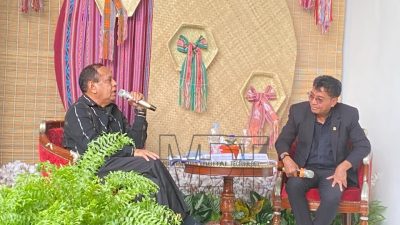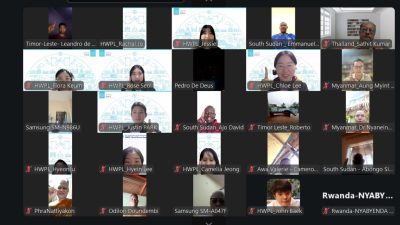



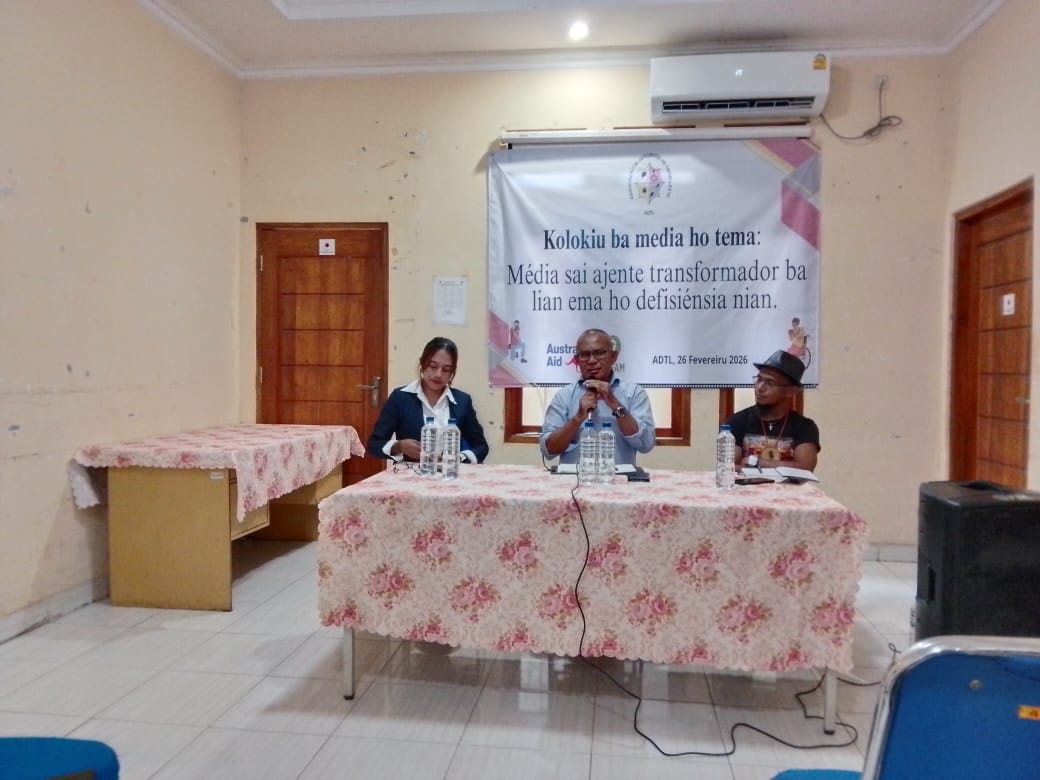
(Dili) Kintal Boot, 27 February 2026 – The Timor-Leste Disabled Association (ADTL) conducted a training on inclusive journalism to raise media awareness on the situation and rights of people with disabilities in Timor-Leste.
ADTL Executive Director, Cesario da Silva, said that during the past five years, disability issues have not been considered as a high priority in the country. But now, there has been a positive change, especially with the support of the media that play an important role in providing information to the public.
“People with disabilities are the most vulnerable group. This vulnerability comes from the perspective and behavior of society that thinks they can’t do anything or can’t work,” said Executive Director Cesario da Silva at ADTL Office
The Director informed that ADTL partnered with the Press Council Timor-Leste(KITL) to prepare inclusive journalism guidelines. This initiative is to raise awareness in the media to use respectful and non-discriminatory language when talking about people with disabilities.
“As of 2022, there are more than 27,000 people with disabilities who are considered most vulnerable, and the total number of people with disabilities in Timor-Leste reaches 93,000. Most of them are from rural areas, which need attention and ask the media to cover to inspire and raise public awareness” Said Cesario.
Director ADTL also reminded that people with disabilities have various types, such as visual disabilities, hearing, physical disabilities and others.
“In the past, our friends with disabilities felt afraid to go out in public because of discrimination, and sometimes parents also contributed to hiding their children. But now, the media must be a force to change the mentality of society” He informed
On the other hand, the representative of the Press Council Timor-leste (KITL), Izabel Fernandes, said the media is the “eyes and ears” of everyone, including those who speak and do not speak.
“Journalists need to pay special attention to vulnerable groups who have not received their full rights, in order to facilitate access to government support and contributions from society” He added
Izabel said, in some public institutions there are no specific facilities for people with physical disabilities, such as access to wheelchairs.
On this occasion, Director General of the Secretariat of State for Social Communications (SECOMS), Florindo da Costa, said that many people with disabilities sometimes feel marginalized because they do not want to be close to others and do not enjoy their rights like other citizens.
Director stressed, most people with disabilities have experiences such as stigma, discrimination, violence from family and community and families also abandon family members with disabilities especially those with psychological problems
“However, they continue to fight hard for their lives. Therefore, the media can become agents of transformation to make their voices heard to the public, especially those living in isolated areas, to be able to get help and enjoy the same rights as others in society” He concluded
Journalist: Ana Maria da Silva/Francisco Pereira