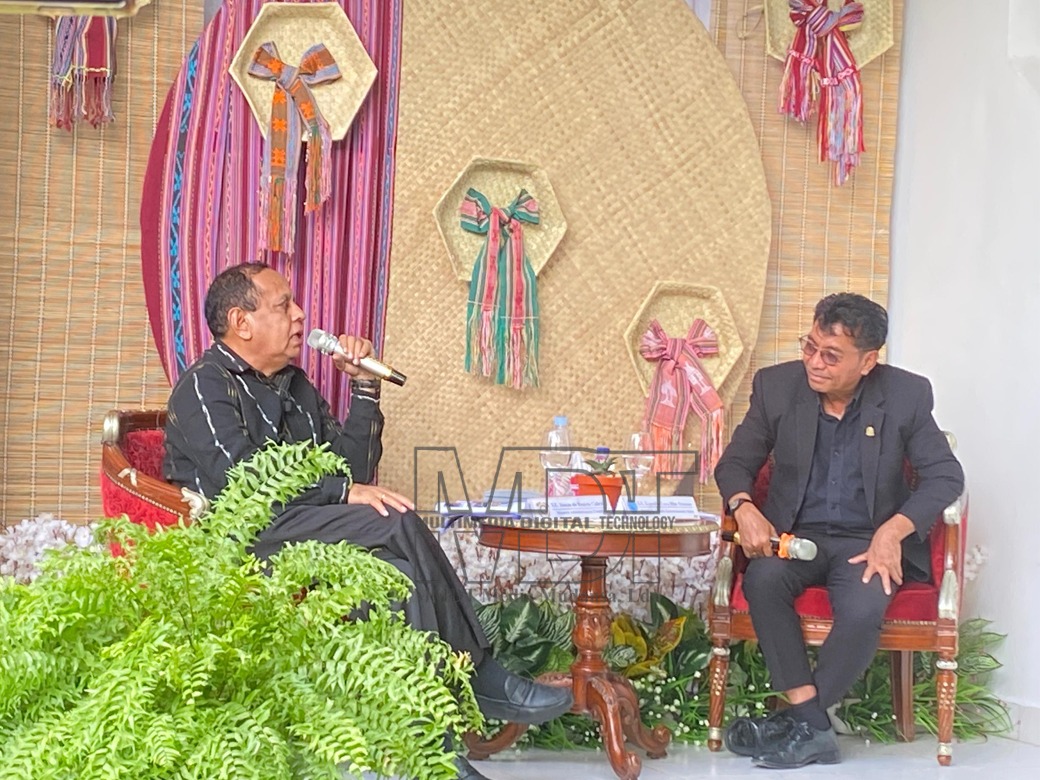


Baucau, Bahú — The process of implementing local power in Timor-Leste is based on the mandate of the Constitution to reduce the concentration of power at the national level and bring governance closer to the people. Although mandatory, this process is slow due to model differences, human resource limitations, and the need to reorganize the administrative system.
According to the Minister of State Administration, Tomás do Rosário Cabral said, this mandate is based on the Constitution of the RDTL, especially Article 5 and Article 72, which states that the State must promote administrative decentralization and create local governance structures. However, although this obligation is clear, implementation is slow due to differences of opinion on the best model for a small country like Timor-Leste.
“During previous governments, various proposals emerged from the idea of creating many municipalities to the regional model that led the process to long discussions. In addition, human resource limitations and the need to reorganize the administrative system became a major challenge,”
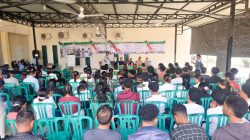
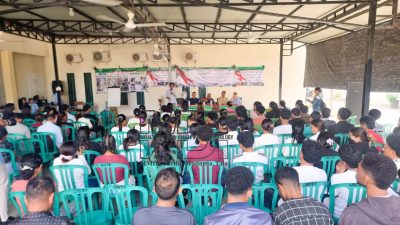
“Currently, local governance is entering a transition phase. In the municipalities, coordination and advisory councils will play an important role, with representation from political parties, community leaders, youth, women and religious organizations. national”, said Minister of State Administration, Tomás do Rosário in suco Bahú, 10/04/2026.
Tomás do Rosário Cabral informed, In the financial area, significant changes also occurred, municipalities now have direct access to the banking system and receive budget transfers from the central government through digital mechanisms, with the objective of increasing transparency and efficiency in public management.
“Although progress is evident, challenges remain. Human resource capacity, coordination between national and local levels, and preparation of administrative structures will require great attention to ensure that the new system can function properly. He concluded.
Earlier, the Government approved government resolution number 11/2010, March 13 on the execution of the administrative decentralization strategy and the installation of representative bodies of local power, based on the Constitution of the RDTL article 5 as follows;
1. Determine whether the State respects territorial organization, the principle of decentralization in public administration and the installation of representative bodies of local power, which. would benefit the approval of action scheduling,
2. The law shall establish and strengthen the characteristics of the various levels of the country, as well as the administrative competence of these bodies,
3. Oe-Cusse Ambeno and Atauro, they receive special administrative and economic treatment
It is also based on the Constitution of the RDTL Article 72 (on local government) which states
1. Local authorities shall be established with a collective of people in the country who have representative bodies, with the task of organizing the participation of individual citizens in the solution of their own problems in their communities and to promote local development, without affecting the participation of the State;
2. The organization, competence, functioning and composition of local authorities shall be defined by law.
Earlier, the National Parliament (PN) approved law package number 23/2021, November 10, Law on Local Government and Administrative Decentralization, from Law no. 22/2021, dated 04 November, Municipal Electoral Law, and Law no. 16/2023, of 31 May, the Municipal Finances Law and the Municipal Elections Law.
Meanwhile, the 2026 budget allocated to the Central Administration of each municipality will receive USD 2.215 billion to be used for all activities in the municipalities and prepare for the implementation process of administrative decentralization and local power.
Journalist : Madalena de Lima
Editor : Francisco Pereira