


International – At a time when the world is facing the phenomenon of news avoidance, the HWPL International Workshop on the Study of Peace Journalism brings a clear message that journalism can be a way to create hope and contribute to peace.
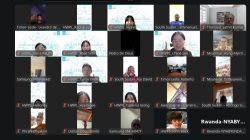
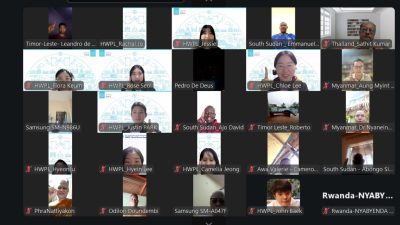
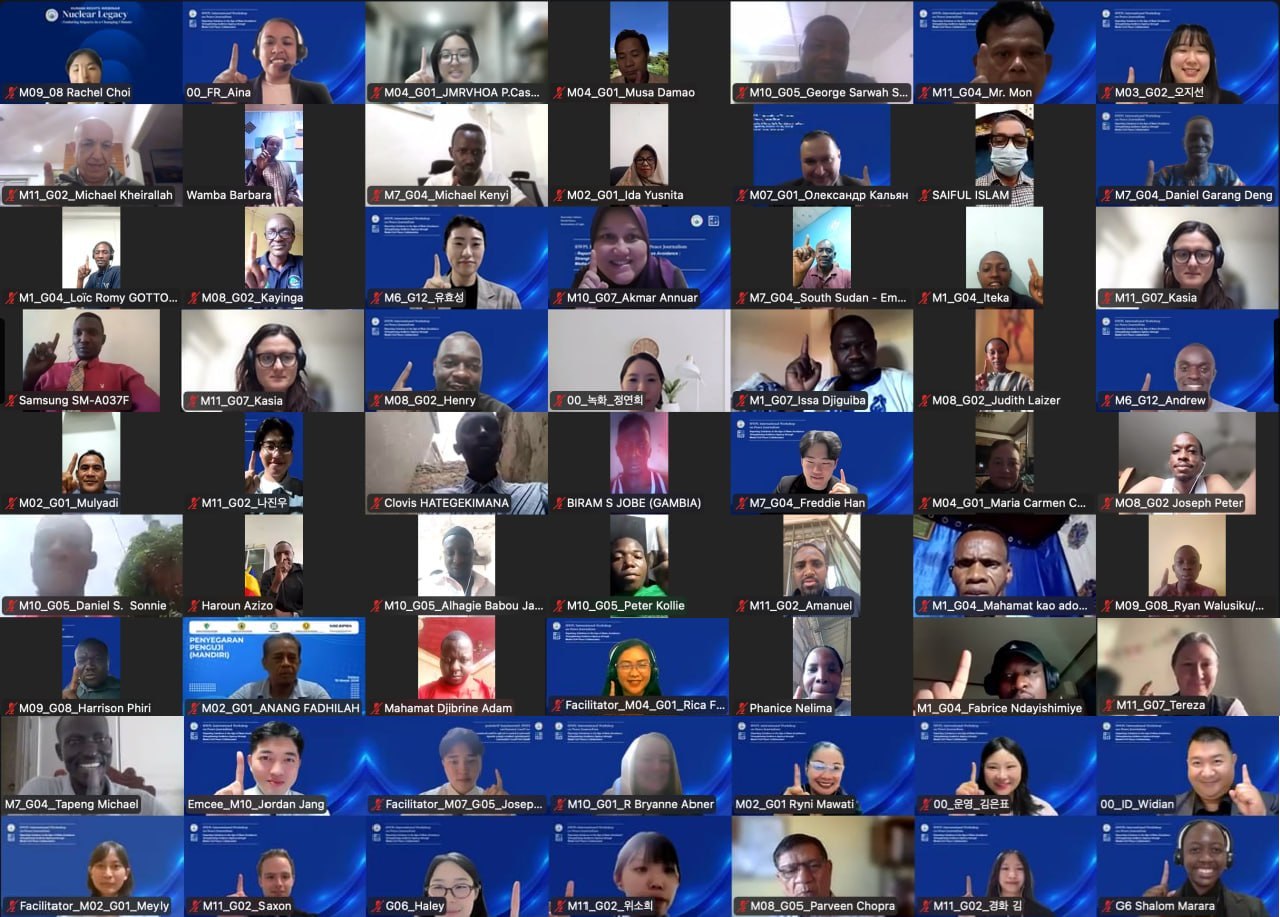
The event was held online and brought together about 220 journalists from different countries, with the theme “Solutions for Reporting in the Era of News Avoidance, Strengthening Audience Agency through Peace Media-Civil Collaboration”. Discussions focused on how the media can respond to the challenge of news avoidance, reduce conflict, and promote peace in society.
In this workshop, three journalists who contributed to the publication of HWPL Peace Journalism Studies Volume 4 shared their research and experience, with an emphasis on the importance of journalism that not only reports events, but also seeks and shows solutions.
According to Indonesian journalist Achmad Yani, media narratives have a great influence on how the public sees the conflict. He explained that most global media coverage would focus on military clashes and political tensions, while the stories of many affected civilians would be overlooked.
“The media has the power to shape public understanding, so it is important to include the perspective of victims and promote peaceful ways,” he said.
On the other hand, Yusnita, stressed that peace is not only the absence of war, but a condition based on security, equality and justice. He emphasized that achieving peace requires the joint efforts of government, society and the media, including responsible reporting and the promotion of tolerance.
Meanwhile, José Nicolás Arroyo Ramos also declared that discursive violence in the digital era, which can cause division even if there is no physical violence. He says emotional and unverified content spreads quickly, and can simplify complex problems. According to him, peace journalism can be an alternative by exploring the root causes and presenting constructive solutions.
Although held through online platforms, participants continue to be actively involved in discussions, including exchanging ideas on how to create news that can inspire hope and strengthen audience trust in the media.
The workshop also introduced the Media and Global Peace Platform (MAGP), a network that connects journalists and social organizations from different countries to support the development of peace journalism.
The organizers believe that the media is not only a means of sharing information, but also an important force in the formation of public opinion and peace building. With continued international collaboration, they hope journalism can be a bridge to bridge differences and find solutions for a better future.