


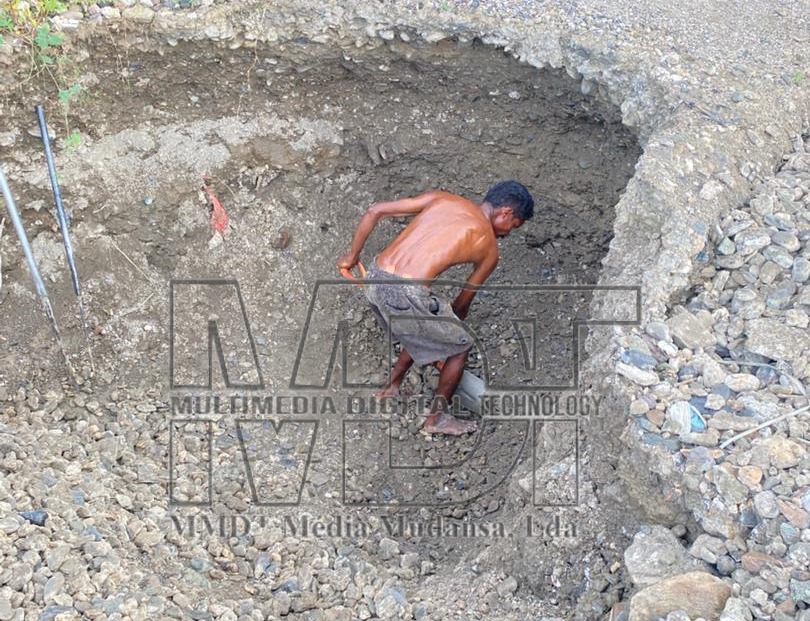
Díli, 02 April 2026 — In the Comoro River, the activity of sifting sand has become a way of life for many people who do not have formal jobs. But at the same time, the local authority of Comoro District warned that this activity needs to follow environmental and safety rules, especially prohibiting near to Gabion and bridge.
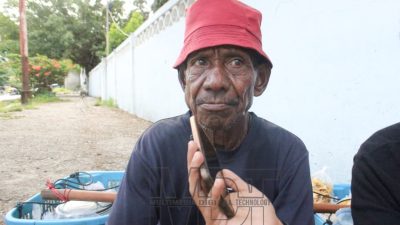
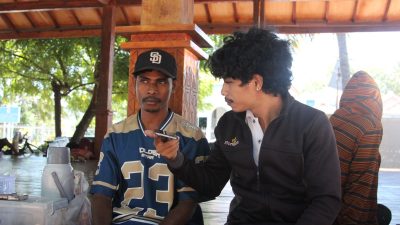
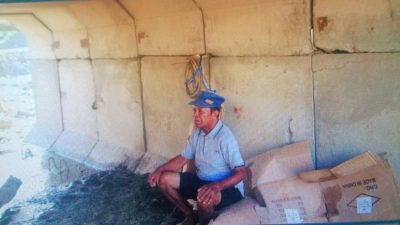
Juliaun Fernandes age (35), from Ermera Municipality, Atsabe Administrative Post, Leimea Kraik District, Goulolo Village, currently lives in Dili to sift sand in the Comoro River to support his family and ensure their children’s education.
He said he started this service in 2018 because of the needs of the household economy.
“If we do not make an effort, it is difficult to take our children to school. Even if others rest, I still work to ensure their future,” said Juliaun.
In a day, he can earn between $10 to $20 dollars, depending on the people who come to buy sand. Juliaun has two children, Alexia Simao and Tarsizio Barros, who are currently in pre-secondary school. His wife, Madalena Cardoso, lives in Atsabe, while he lives alone in Dili to earn a living.
But this activity is not just about physical effort. River workers face serious risks, such as rain that can wash away the sand they have collected, and difficulty finding buyers. When no one comes to pick it up, they don’t get paid.
On the other hand, Comoro District Chief, Eligio J. das M., said that sifting sand in the river needs to follow the rules to protect the environment and avoid disasters. He also clarified that these rules are not traditional rules (tara bandu) but as rules that we need to follow. Because to make traditional rules (tara bandu) need a speaker and an animal to realize.
“People must sieve the sand away from the bridge, at least 50 meters, and can not do activities near the Gabion because it can damage the flow of water,” said the head of the village.
He also said that most of the workers come from areas such as Comoro, Bebonuk, Beto, Madohi and Manleuana.
Although the sand in the river is free, workers need to work hard to earn a small income. In the market, a cubic yard of sand can cost up to $80 dollars, but those who sift in the river get only a small part of that value.
Julião asked the Government to take care of their working conditions, such as creating a dignified place so that they can protect themselves from rain and sun and work safely.
This activity shows the reality of life of poor people who depend on the informal sector to support their families and secure their children’s future, at a time when construction in Dili is increasing steadily and the price of construction materials is also rising.
Local authorities continue to appeal to the community to respect environmental and safety rules when doing activities in the river.
Journalist : Serafin Dos Reis Jeronimo / Moises Quefi/Milenio D.C Maria
Editor : Felisberto F. da Costa